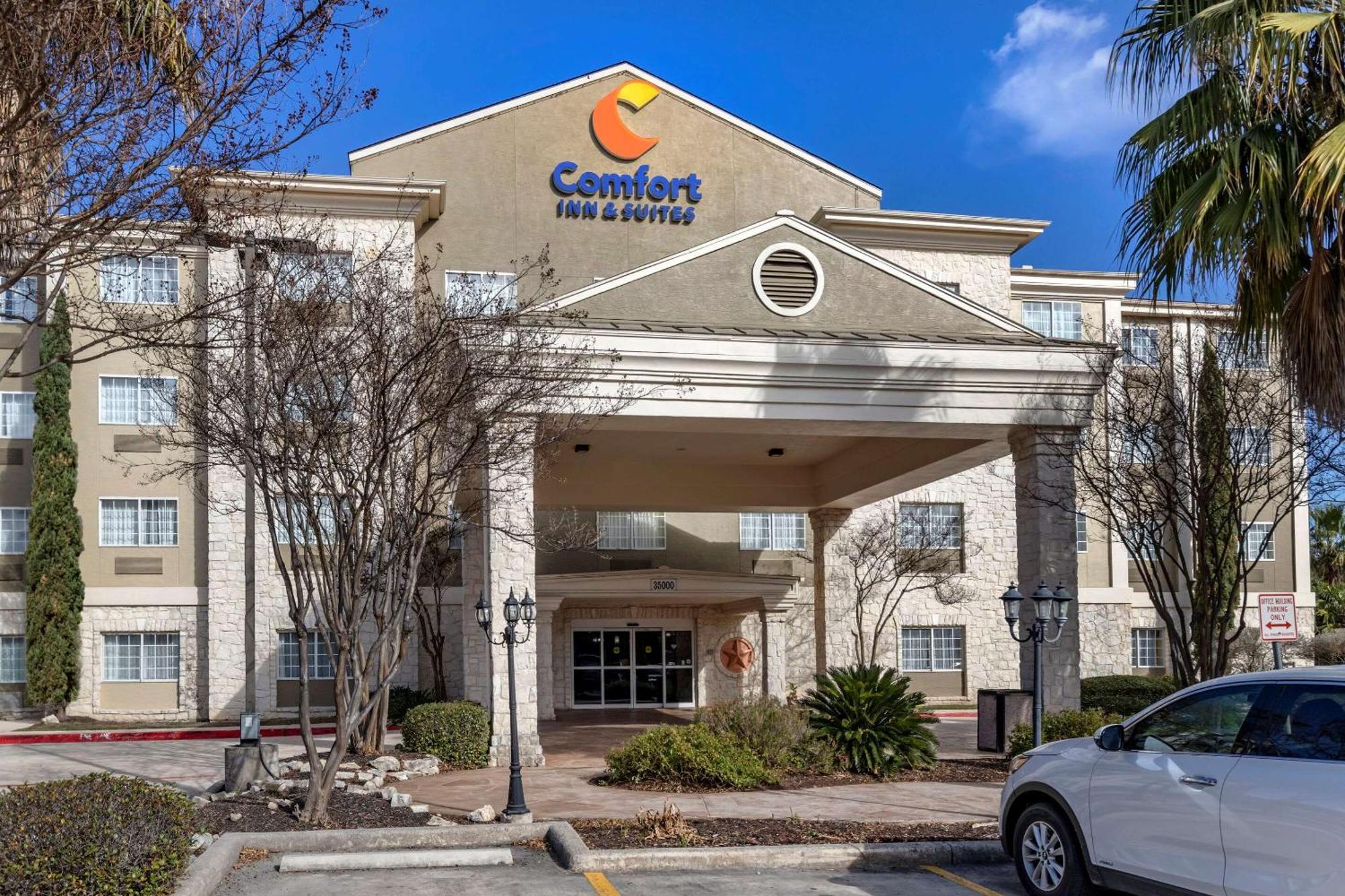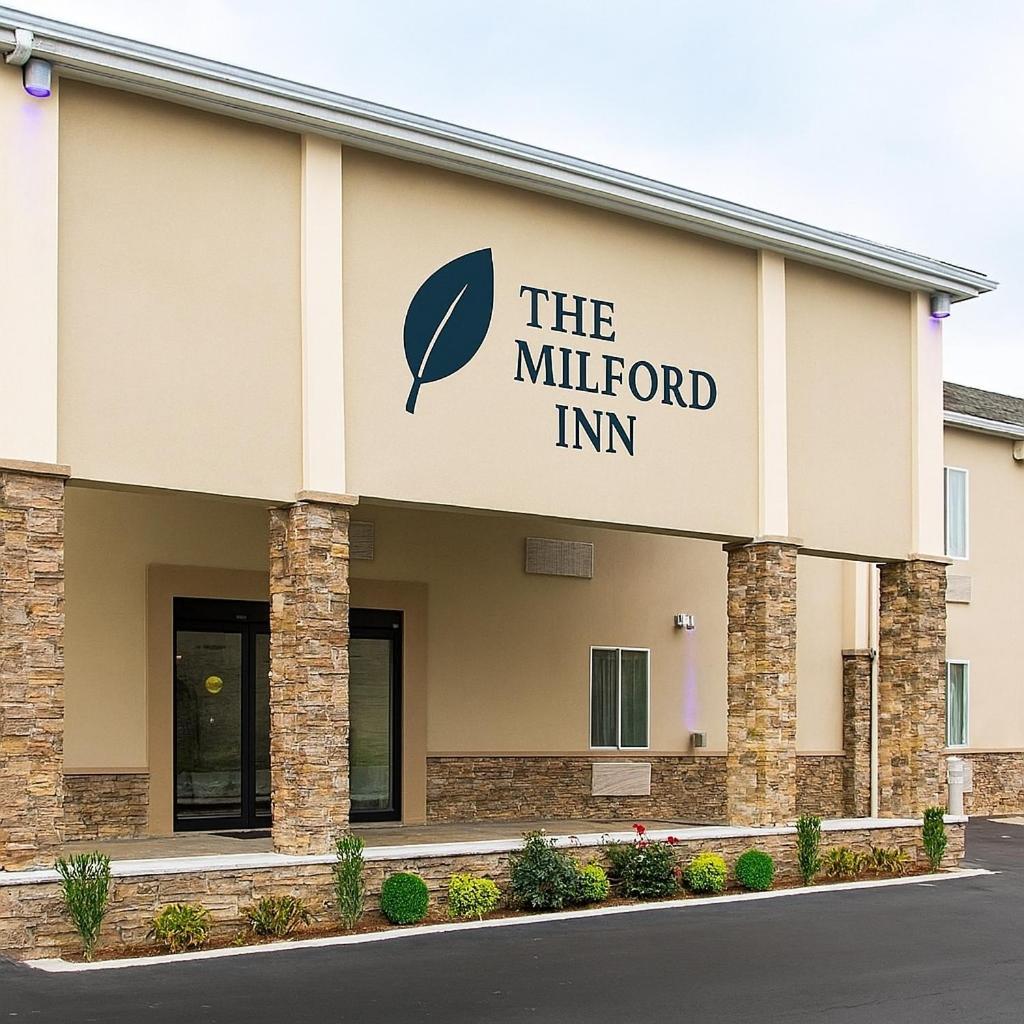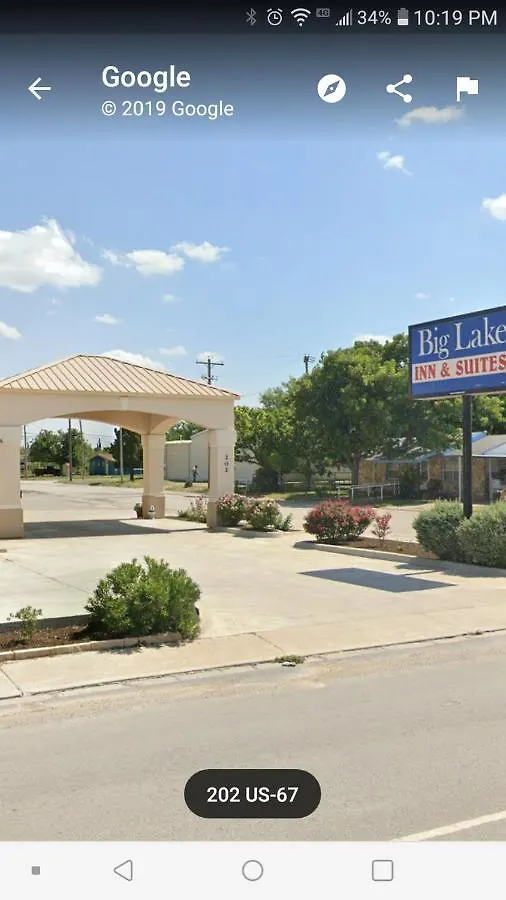
Texas has more historically layered lodging than most travelers realize - from towns built around 19th-century cattle trails to communities that grew alongside military forts and railroad lines. These 13 hotels are positioned across the state, giving you access to Civil War battlegrounds, frontier villages, Hill Country landscapes, and Gulf Coast heritage without sacrificing modern essentials. Whether you're road-tripping from the Panhandle to the Rio Grande or anchoring in one region for several days, this guide breaks down exactly where to stay, what you're actually getting, and when to book.
What It's Like Staying in Texas
Texas is one of the few U.S. states where you can wake up in a frontier-era town, drive through Civil War territory, and reach a Gulf Coast fishing village by evening - all within the same road trip. The sheer size of Texas means distances between cities are significant, so positioning your hotel strategically around your itinerary saves hours of backtracking. Crowd intensity varies dramatically by region: urban corridors like Austin and Dallas attract year-round visitors, while towns like Cuero, Junction, and Big Lake stay quieter even during peak travel months, making them underrated bases for travelers who want fewer crowds and lower nightly rates.
Travelers who benefit most from staying in Texas are history enthusiasts, road-trippers, military heritage seekers, and nature-oriented visitors exploring state parks and wildlife refuges. Those looking for walkable urban experiences centered on a single landmark may prefer focusing their stay in one of the larger metro areas. Car travel is non-negotiable across most of the state - public transport is limited outside major cities, and many of the most historically rich towns are only accessible by road.
Pros:
- Enormous geographic and historical diversity within a single state - frontier forts, Civil War sites, colonial Spanish missions, and railroad towns all within driving distance
- Smaller historic towns offer significantly lower nightly hotel rates compared to Austin or Dallas, often around 40% less for comparable quality
- Many historically positioned hotels include free parking, which is essential for road-trip itineraries through rural Texas
Cons:
- Distances between key attractions can exceed 150 km, making a rental car an absolute requirement for most itineraries
- Smaller towns have limited dining and entertainment infrastructure outside the hotel itself
- Summer heat in central and west Texas regularly exceeds 38°C, which can limit outdoor exploration without early morning scheduling
Why Choose Historical Hotels in Texas
Historical hotels in Texas don't always mean boutique properties with antique furnishings - in this state, the historical value often lies in the location itself: a hotel sitting in a town that served as a 19th-century stagecoach stop, a property adjacent to a Civil War-era courthouse, or an inn in a community shaped by military fort history. Most of the hotels in this category are 3-star properties priced accessibly, which means you're not paying a premium for history - you're getting it as part of the regional context while still accessing reliable amenities like free WiFi, pools, and breakfast. Room sizes in these smaller-town hotels tend to be more generous than urban counterparts, and parking is almost universally free, which matters significantly when you're moving gear and luggage across long Texas driving days.
The main trade-off is that these properties aren't located in major metro centers, so nightlife and dining variety is limited. However, for travelers focused on heritage tourism, state park access, and regional Texas culture, the surroundings more than compensate for the absence of urban amenities. Properties near Fort Hood, Caddo Lake, and Circuit of the Americas give travelers access to distinctly Texan experiences unavailable in generic highway hotels.
Pros:
- Properties are positioned near authentic Texas heritage sites - military forts, frontier villages, state parks, and colonial-era towns - rather than generic commercial districts
- Free breakfast is available at around 8 of the 13 hotels listed, reducing daily travel costs noticeably on multi-night stays
- Most properties include outdoor or indoor pools and fitness centers, maintaining comfort standards despite rural or small-town locations
Cons:
- Limited walkability in most locations - you'll need a car to reach attractions, restaurants, and historical sites from the hotel
- Some properties in smaller towns like Cuero or Big Lake have fewer dining options within the immediate vicinity
- Seasonal outdoor pools are common, meaning pool access may not be available during cooler months between November and March
Practical Booking & Area Strategy for Texas
Texas is best approached as a series of regional clusters rather than a single destination. The Hill Country corridor - including Junction and Uvalde - offers the densest concentration of natural and frontier heritage within a compact driving loop, making it one of the most efficient bases for historical exploration. Bastrop, positioned around 35 km from Austin-Bergstrom International Airport, works well as a gateway for travelers flying into the Austin metro who want to explore both the Hill Country and the Colorado River corridor. Killeen is the strategic base for Fort Hood military history, while Marshall and Longview anchor the East Texas Piney Woods circuit near Caddo Lake State Park.
For road-trippers entering from the east, Marshall and Longview sit directly on I-20, making them logical first-night stops. Sherman, in North Texas near Lake Texoma and the Oklahoma border, suits travelers exploring the Red River heritage zone and the Eisenhower Birthplace. Ennis, located between Dallas and Waco on I-45, is an efficient mid-route stop with quick access to the Bluebonnet Trails and Czech heritage sites of Ellis County. Book at least 6 weeks in advance for spring travel - Texas bluebonnet season in March and April fills smaller-town hotels faster than most visitors expect, and properties near Austin and the Hill Country see the sharpest rate increases during this window.
Best Value Historical Stays in Texas
These properties deliver strong practical value across Texas's smaller historic towns, offering reliable amenities, free parking, and convenient access to regional heritage sites - all at accessible price points.
-
1. Big Lake Inn And Suites
Show on map


 Check-infrom 15:00 until 23:59Check-outuntil 11:00
Just a few rooms left at the best rate!
fromUS$ 76
-
2. Americas Best Value Inn & Suites Cuero
Show on map


 Check-infrom 15:00 until 23:59Check-outuntil 11:00
Best price guarantee
fromUS$ 59
-
3. Motel 6-Longview, Tx
Show on map


 Check-infrom 15:00 until 23:59Check-outuntil 11:00
Just a few rooms left at the best rate!
fromUS$ 49
-
4. La Quinta By Wyndham Ennis
Show on map


 Check-infrom 15:00 until 23:59Check-outuntil 11:00
Best price guarantee
fromUS$ 79
-
5. Holiday Inn Express & Suites Wharton By Ihg
Show on map


 Check-infrom 15:00 until 23:59Check-outuntil 11:00
Best price guarantee
fromUS$ 120
Best Mid-Range & Premium Historical Stays in Texas
These properties offer stronger amenity sets, more notable historical positioning, or proximity to major Texas heritage landmarks - making them worth the slightly higher investment for travelers who want both comfort and regional depth.
-
6. Quality Inn Bastrop
Show on map


 Check-infrom 15:00 until 23:59Check-outuntil 11:00
Hurry – almost gone at this price!
fromUS$ 74
-
2. Best Western Plus Big Lake Inn
Show on map


 Check-infrom 15:00 until 23:59Check-outuntil 11:00
Rooms filling fast – secure the best rate!
fromUS$ 195
-
3. Holiday Inn Express Hotel & Suites Marshall By Ihg
Show on map


 Check-infrom 15:00 until 23:59Check-outuntil 12:00
Best price guarantee
fromUS$ 94
-
4. Quality Suites Sherman
Show on map


 Check-infrom 15:00 until 23:59Check-outuntil 11:00
Rooms filling fast – secure the best rate!
fromUS$ 102
-
5. Comfort Inn - Killeen Near Fort Hood
Show on map


 Check-infrom 15:00 until 23:59Check-outuntil 11:00
Best price guarantee
fromUS$ 107
-
6. Hampton Inn Uvalde
Show on map


 Check-infrom 15:00 until 23:59Check-outuntil 12:00
Best price guarantee
fromUS$ 112
-
12. Best Western Dos Rios
Show on map


 Check-infrom 15:00 until 23:59Check-outuntil 12:00
Just a few rooms left at the best rate!
fromUS$ 100
-
8. Great Wolf Lodge Grapevine
4.06499 reviewsShow on map


 Check-infrom 16:00 until 23:59Check-outfrom 05:00 until 11:00
Hurry – almost gone at this price!
fromUS$ 150
Smart Timing & Booking Advice for Historical Hotels in Texas
Texas travel follows a distinct seasonal rhythm that directly affects hotel availability and pricing in the towns covered by this guide. Spring - particularly mid-March through April - is the single most competitive booking window across the state, driven by bluebonnet season, spring break travel, and events like the Ennis Bluebonnet Trails Festival and Grapevine's GrapeFest preparations. Properties in Ennis, Bastrop, and Sherman fill fastest during this period, and rates increase noticeably compared to January or February. Summer - June through August - brings extreme heat across West and Central Texas, which actually suppresses demand in towns like Big Lake, Junction, and Uvalde, creating an opportunity for lower-rate bookings if you plan early morning outdoor activity and use the hotel pool during midday hours.
Fall is the most balanced season for historical hotel travel in Texas: temperatures drop to manageable levels, the Hill Country sees good wildflower and foliage color, and East Texas's Piney Woods turn in Caddo Lake and Marshall areas. For Fort Hood and Killeen, travel timing around military events and base open days affects local hotel demand in ways that don't follow typical tourist calendars - worth checking the Fort Cavazos public events schedule before booking. Booking 6 weeks ahead is the reliable standard for most properties in this guide outside of peak spring weeks, when 10 or more weeks of lead time is advisable for the most competitive rates in Bastrop, Sherman, and Grapevine. Last-minute availability does open up in summer and January across the smaller towns, but room selection becomes limited.