Lowcountry, South Carolina stretches along one of the most distinctive coastlines in the American Southeast, where barrier islands, tidal marshes, and Atlantic-facing beaches define the landscape between Charleston and Hilton Head Island. Whether you're drawn to the historic streets of Charleston with beach access nearby, the resort-polished shores of Hilton Head, or the laid-back oceanfront vibe of Isle of Palms, the beach hotel options here span from all-suite highway-adjacent properties to private 8-bedroom beachfront homes steps from the sand. This guide cuts through the noise to help you pick the right coastal stay for your trip, budget, and travel style.
What It's Like Staying in Lowcountry
Lowcountry is not a single city - it's a sprawling coastal region connecting Charleston, Hilton Head Island, Isle of Palms, and smaller barrier island communities, each with its own pace and beach character. Getting between areas requires a car, as public transit doesn't meaningfully connect the islands, and distances between Charleston's downtown and Hilton Head stretch around 100 miles. Crowd patterns shift dramatically by season: spring and summer bring heavy beach traffic to Isle of Palms and Hilton Head, while Charleston's historic core stays busy year-round with tourists drawn to its architecture and food scene.
Travelers who benefit most from staying in Lowcountry are those combining beach time with cultural sightseeing - Fort Sumter, Magnolia Plantation, and Boone Hall Plantation are all within reach of the Charleston-side beaches. Hilton Head suits those prioritizing resort amenities and golf, while Isle of Palms attracts families and groups renting private homes for direct sand-and-surf access without hotel density.
Pros:
- Diverse coastal settings - from historic harbor views near Charleston to wide Atlantic-facing beaches on Hilton Head and Isle of Palms
- Strong private rental inventory means groups and families can secure beachfront homes with private pools unavailable in typical hotel markets
- Year-round warm enough for beach visits, with mild winters that keep shoulder-season prices manageable
Cons:
- A car is non-negotiable - no meaningful public transit links the islands, and ride-share availability drops sharply outside Charleston
- Peak summer weekends on Isle of Palms and Hilton Head see significant beach crowding and parking bottlenecks
- Properties marketed as "beachfront" vary widely - some are steps from the water, others require a 10-minute walk through resort grounds or over dunes
Why Choose Beach Hotels in Lowcountry
Beach-focused accommodations in Lowcountry cover a wide spectrum - from IHG-branded highway hotels with pool access near Charleston's West Ashley corridor to private multi-bedroom oceanfront homes on Hilton Head and Isle of Palms that include private pools, fully equipped kitchens, and direct beach access. Private vacation homes here sleep 6 to 10 guests, making per-person costs competitive with standard hotel rooms when split across a group. Standard hotel-style beach properties in the West Ashley and Highway 17 zone trade proximity to the sand for convenience to downtown Charleston and the airport, typically priced well below the oceanfront private rentals on the islands.
The key trade-off in this region is location versus amenity density: Hilton Head and Isle of Palms beachfront properties offer immediate sand access but require advance planning, longer drives from Charleston's historic district, and higher nightly rates - particularly in June and July. West Ashley-area hotels offer an airport-convenient, budget-friendlier base for travelers who want beach day trips rather than a true oceanfront stay.
Pros:
- Private beachfront homes on Hilton Head and Isle of Palms include features - private pools, hot tubs, multiple bathrooms - that no standard hotel room can match for group travel
- Hilton Head beachfront properties sit within walking distance of one of the most consistently calm and wide Atlantic beaches in the Southeast
- West Ashley-area hotels offer free breakfast, fitness centers, and pools at prices well below island-side vacation rentals
Cons:
- True oceanfront homes book out months in advance for summer - last-minute availability in peak season is rare and expensive
- Large private vacation homes require self-catering and coordination; no front desk, concierge, or daily housekeeping
- West Ashley hotel stays require a car for every beach visit, adding daily logistics that island-based stays avoid
Practical Booking & Area Strategy
For travelers prioritizing direct beach access, Hilton Head Island and Isle of Palms are the two strongest positioning choices - both offer beachfront properties with private pools and the ability to walk to the water in under 2 minutes. Isle of Palms sits around 30 minutes by car from downtown Charleston, making it the better option for those wanting to balance beach days with city sightseeing. Hilton Head is further - around 100 miles south of Charleston - and functions more as a self-contained resort destination, with bike paths, waterfront dining, and sea-view accommodations that rarely require leaving the island. For travelers flying into Charleston International Airport, West Ashley-area hotels on Highway 17 are the fastest option from the terminal - under 20 minutes - and provide a practical base if your itinerary mixes Fort Sumter visits, Magnolia Plantation tours, and occasional beach day trips to Sullivan's Island or Folly Beach.
Book Hilton Head and Isle of Palms properties at least 8 weeks ahead for any June through August stay. Sullivan's Island beaches lie around 25 km from the West Ashley hotel corridor, achievable as a half-day excursion. Popular Lowcountry attractions within reach of beach-based stays include Patriots Point Naval Museum, Boone Hall Plantation, and the ACE Basin wildlife refuge.
Best Value Beach Stays
These properties offer strong coastal access or beach-adjacent convenience at rates well below the premium oceanfront homes - best suited for solo travelers, couples, or small groups using Charleston as their main base.
-
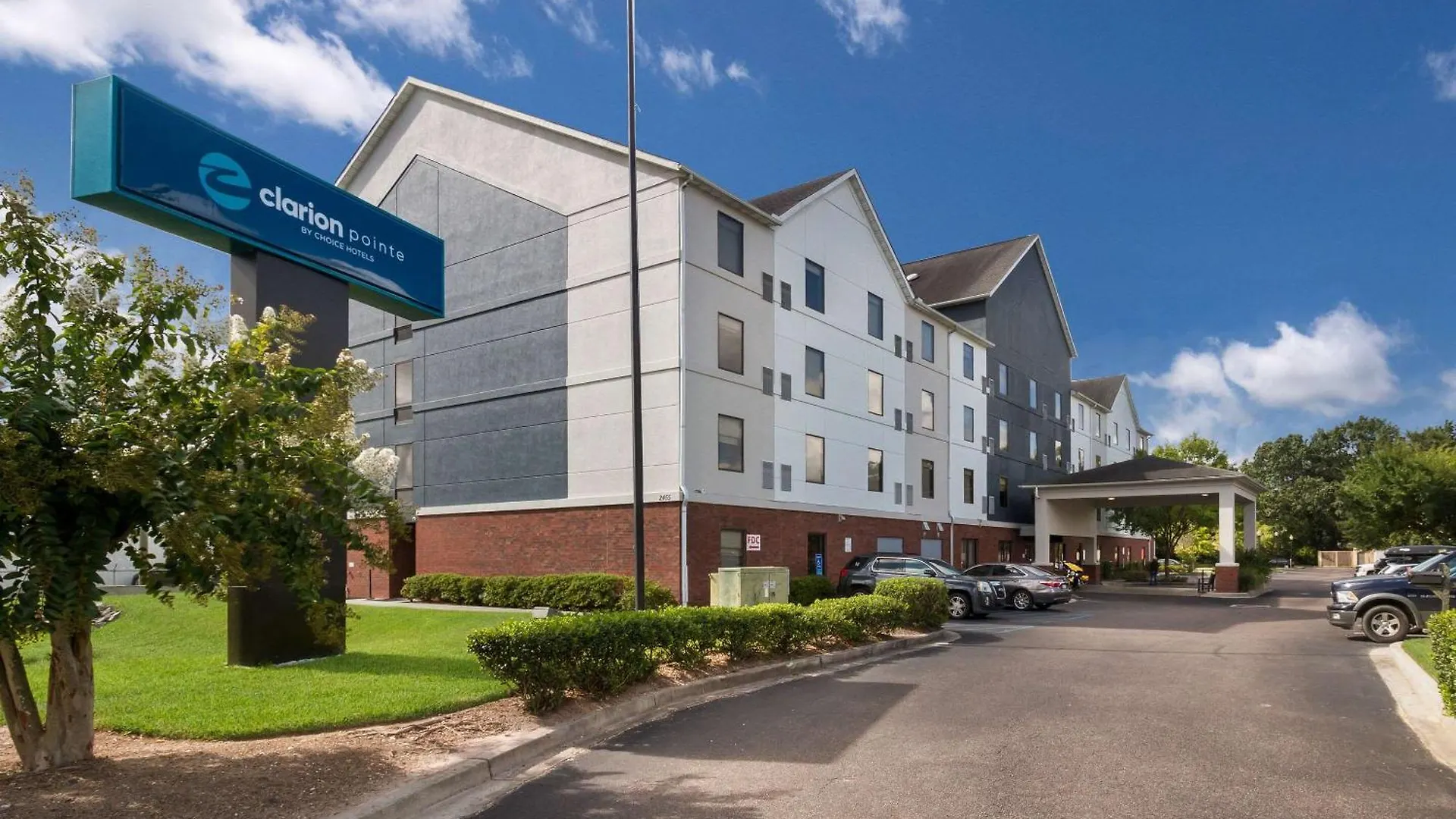
1. Clarion Pointe Charleston - West Ashley
Show on map


 Check-infrom 15:00 until 23:59Check-outuntil 11:00
Just a few rooms left at the best rate!
fromUS$ 105
-
2. Holiday Inn Express Charleston Us Highway 17 & I-526 By Ihg
Show on map


 Check-infrom 15:00 until 23:59Check-outuntil 11:00
Just a few rooms left at the best rate!
fromUS$ 102
Best Premium Oceanfront Stays
These beachfront properties offer private pools, direct sand access, and multi-bedroom layouts built for groups and families seeking a full-immersion coastal experience on Hilton Head Island and Isle of Palms.
-
3. 7 Guscio Way
Show on map


 Check-infrom 16:00 until 23:59Check-outuntil 10:00
Hurry – almost gone at this price!
fromUS$ 2126
-
4. 103 Dune Lane
Show on map


 Check-infrom 16:00 until 23:59Check-outuntil 10:00
Hurry – almost gone at this price!
fromUS$ 3813
-
5. 3108 Palm By Avantstay
Show on map


 Check-infrom 16:00Check-outuntil 10:00
Rooms filling fast – secure the best rate!
fromUS$ 5157
-
6. Ocean One 215
Show on map


 Check-infrom 16:00 until 23:59Check-outuntil 10:00
Rooms filling fast – secure the best rate!
fromUS$ 196
Smart Timing & Booking Advice for Lowcountry Beach Stays
The Lowcountry beach season peaks from late May through August, when Isle of Palms and Hilton Head Island see the highest occupancy and nightly rates for beachfront homes climb sharply. Book private vacation homes at least 8 weeks in advance for any summer stay - properties like 7 Guscio Way and 103 Dune Lane with 7 or 8 bedrooms are claimed by returning guests months ahead of opening availability. September and October offer a compelling alternative: water temperatures remain warm well into fall, crowd levels on Hilton Head and Isle of Palms drop noticeably, and rates at West Ashley hotels ease by around 20% compared to July peaks.
Spring - particularly late March through May - balances mild temperatures, manageable crowds, and open availability across most property types. A minimum stay of 3 nights is standard for Hilton Head and Isle of Palms private homes; trying to book a single night in a premium beachfront property is rarely possible during peak months. For Charleston-area hotel stays in West Ashley, last-minute availability is more realistic outside of major events like Spoleto Festival USA in late May and early June, which compresses availability and inflates rates across the entire region. Hurricane season runs through November, with September seeing the highest statistical risk - a factor worth weighing for October booking decisions on the barrier islands.